Services located 01
Assess & quote
Site visit, plan review and Dial Before You Dig. One clear quote covering dig, cartage and cleanup.
Darlinghurst is a dense terrace-and-apartment suburb on the sandstone ridge, basement and underpinning work on tight heritage streets. The regular jobs here are basement digs, underpinning and shoring. Services located first, sites left level and clean.
Get a free quoteNo obligation, free site quote.
Got it, thanks. We'll be in touch to arrange your site assessment and clear quote.
From a knock-down rebuild to a new estate pad, each service has its own page with the detail.
Darlinghurst sits about 2 kilometres central of the city. You'll recognise it by Oxford Street, Darlinghurst Gaol, Green Park and Kings Cross nearby. It's ringed by Surry Hills, East Sydney, Kings Cross, Paddington and Woolloomooloo. What's changing: basement digs and underpinning under terraces, and warehouse conversions and lift pits cut into rock.
Most of Darlinghurst is victorian terraces and warehouses in tight heritage conservation streets, over by Oxford Street. Near Oxford Street, the terraces are dug through the house or over the back fence. Day to day around Surry Hills that's basement digs, underpinning and shoring.
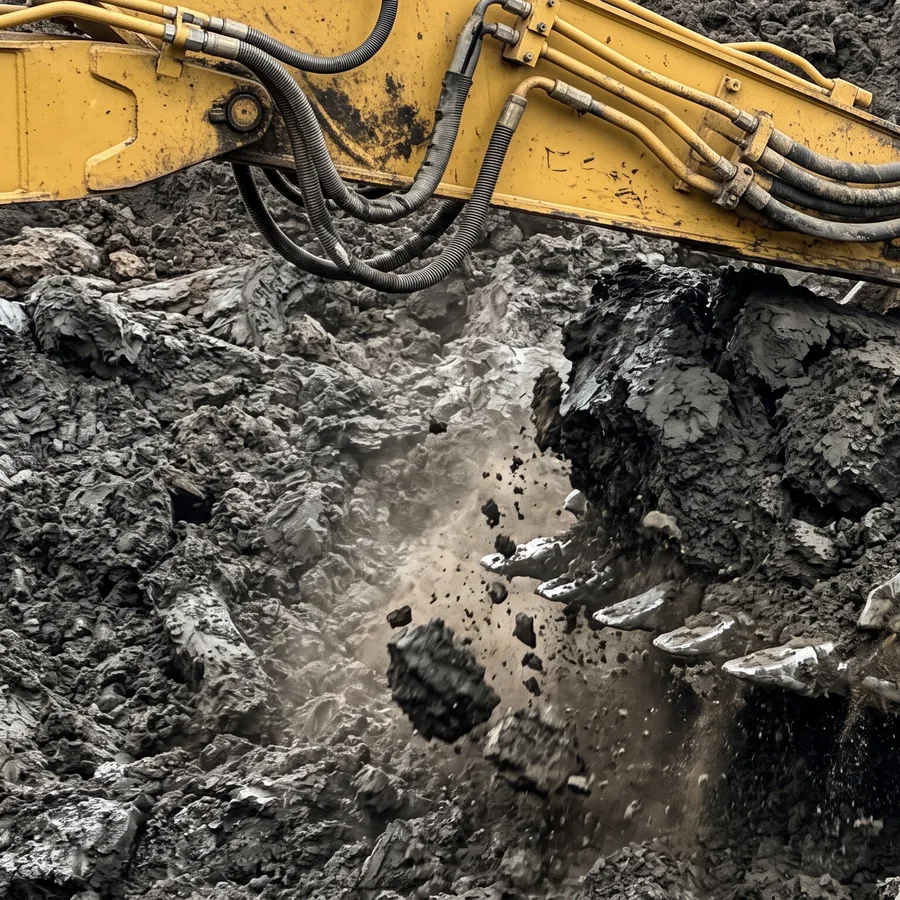
Darlinghurst ground runs to Hawkesbury sandstone under shallow shale on the inner-city ridge, over by Oxford Street. The rock under Darlinghurst Gaol is close, so Darlinghurst footings and pits are broken out and the spoil leaves the block as rock. Around East Sydney, the clay is reactive, so fill goes in in compacted layers.
Darlinghurst is City of Sydney ground; near Oxford Street, heritage controls apply and we dig to the approved plans. The Darlinghurst crew comes in off Victoria Street or Liverpool Street, where it's tight to get a truck down the inner streets.
Every job follows the same sequence, whether it's a single trench or a full site cut.
A trench can be a day, a basement can be weeks. Dates come with the quote, not after.
Darlinghurst and the streets around it, from the older estates to the new blocks.
From the older streets to the newer blocks, Darlinghurst and the suburbs around it. If you're anywhere in the Darlinghurst area, we can get to you.
See the whole city and South Sydney area →It depends on the volume of material, the ground (hawkesbury sandstone under shallow shale on the inner), access for the machine and how far spoil has to be carted. Every job gets a written quote after a site look, with the dig, cartage and cleanup spelled out, so you know what’s included before anything starts.
Usually, if the excavation is part of a build. Cut and fill beyond set limits, work near boundaries and anything on a lot with a flood, bushfire or heritage overlay needs approval as part of the DA or CDC. We work to the approved plans; check with your certifier before the dig is booked.
A trench, pool dig or single pad is a day or two; a knock-down site cut or a basement runs longer and depends on volume, ground and weather. Dates come with the quote, not after.
Yes. Hawkesbury sandstone under shallow shale on the inner-city ridge. The inner city sits on sandstone, usually right under the terrace floors. It’s sawn against the party walls and broken out in stages, and it’s in the quote from the site look.
Yes. The party walls are supported to the engineer’s underpinning design, the ground is dug in stages through the front or the lane, rock is sawn at the walls so the neighbours’ footings stay put, and spoil goes out by conveyor. Heritage conditions apply on most of these streets.
Yes. South Sydney basements are shored digs through fill and sand with the water table close, dewatered to the council’s controls, spoil classified and carted to the right facility, and trucks scheduled around the traffic so the street stays open.
Through the front room on boards with the floor protected, or over the roof by crane. Spoil comes out the same way in bins. Slower than anywhere with a side gate and priced for it, but it’s how inner-city courtyards get dug.
Reactive clay. It swells in wet winters and shrinks in dry summers, and anything poured on loose or uncompacted fill moves with it. A pad cut and filled in compacted layers to the engineer’s spec is what stops the new slab doing the same thing.
Tell us about the job. We'll look at the site before quoting, so you know what's included before anything starts.
Request received. We'll be in touch to arrange your site assessment and clear quote.