Services located 01
Assess & quote
Site visit, plan review and Dial Before You Dig. One clear quote covering dig, cartage and cleanup.
Beecroft is a leafy, heritage sandstone suburb of big blocks and gully bush, where rock, retaining, trees and heritage all bear on the job. The regular jobs here are pool digs, retaining walls and knock-down rebuild site cuts. Services located first, sites left level and clean.
Get a free quoteNo obligation, free site quote.
Got it, thanks. We'll be in touch to arrange your site assessment and clear quote.
From a knock-down rebuild to a new estate pad, each service has its own page with the detail.
Beecroft sits about 22 kilometres north-west of the city. Locals place it by Beecroft village, Beecroft station, Chilworth Reserve and Observatory Park. It's ringed by Cheltenham, Pennant Hills, Epping, Carlingford and Thornleigh. What's changing: knock-down rebuilds and pools on the leafy blocks, and heritage and tree controls.
Beecroft's housing near Beecroft village runs to federation and interwar homes on large, leafy blocks, with strong heritage character. Near Beecroft village, the older brick and fibro is renovate-or-rebuild ground. On a Beecroft block that usually means pool digs, retaining walls and knock-down rebuild site cuts.
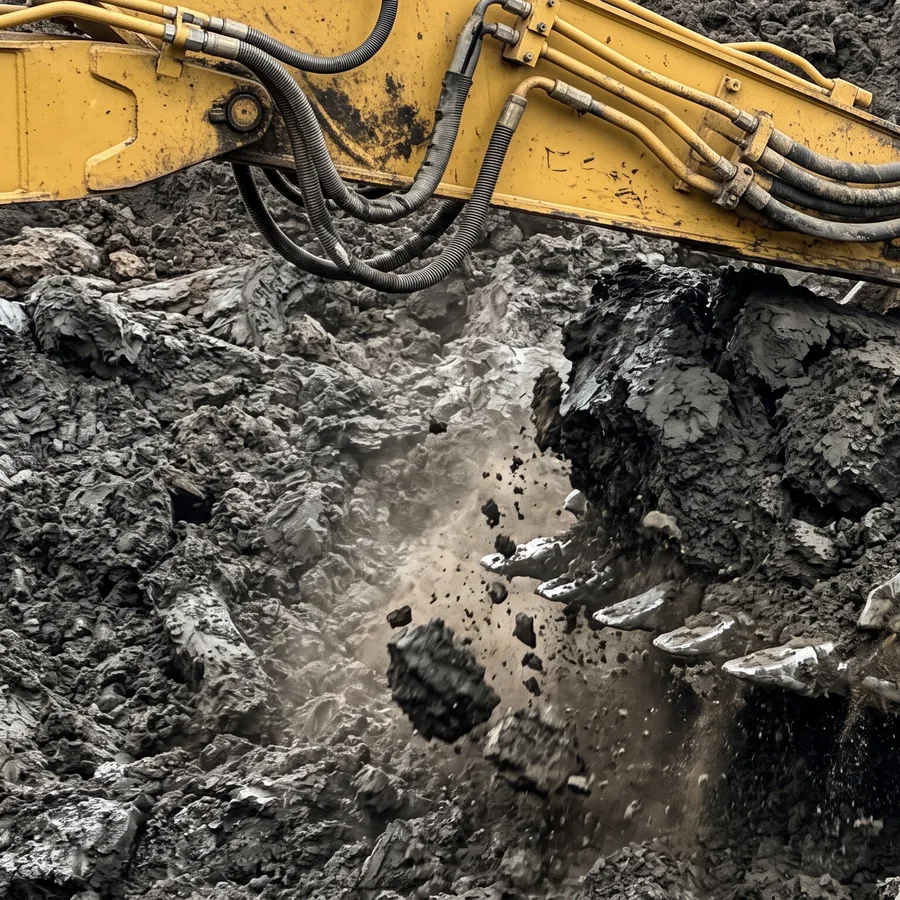
Beecroft sits on Shale cap over Hawkesbury sandstone with rock outcrops and steep bushland gullies, out toward Beecroft village. Around Beecroft station a Beecroft dig hits sandstone in the first metre, sawn at the edges so the neighbour's ground stays put and broken in the middle. Around Pennant Hills, the clay is reactive, so fill goes in in compacted layers.
Beecroft is in Hornsby Shire Council; the Beecroft village end carries bushfire, tree protection and heritage controls, so we dig to the approved plans. The crew reaches the Beecroft job off Copeland Road or Hannah Street, where the slope is worked in benches with retaining, past Cheltenham.
Every job follows the same sequence, whether it's a single trench or a full site cut.
A trench can be a day, a basement can be weeks. Dates come with the quote, not after.
Beecroft and the streets around it, from the older estates to the new blocks.
From the older streets to the newer blocks, Beecroft and the suburbs around it. If you're anywhere in the Beecroft area, we can get to you.
See the whole Ryde and Hornsby area →It depends on the volume of material, the ground (shale cap over hawkesbury sandstone with rock outcrops and steep bushland gullies), access for the machine and how far spoil has to be carted. Every job gets a written quote after a site look, with the dig, cartage and cleanup spelled out, so you know what’s included before anything starts.
Usually, if the excavation is part of a build. Cut and fill beyond set limits, work near boundaries and anything on a lot with a flood, bushfire or heritage overlay needs approval as part of the DA or CDC. We work to the approved plans; check with your certifier before the dig is booked.
A trench, pool dig or single pad is a day or two; a knock-down site cut or a basement runs longer and depends on volume, ground and weather. Dates come with the quote, not after.
Yes. Shale cap over Hawkesbury sandstone with rock outcrops and steep bushland gullies. On the river slopes, in the gullies and across the Hornsby plateau, sandstone is usually within the first metre. It’s sawn at the boundaries and broken out, and it’s in the quote when the site look finds it.
That’s the most common ground in this region and it’s priced as two jobs: clay cut and compacted fill on the ridge side, saw and breaker where the block drops into rock. The site look finds where the change is so it’s in the quote from the start.
Yes, to the conditions. Beecroft, Cheltenham and the older Ryde streets have conservation areas where work near a listed house or a protected tree comes with conditions on the approval. We flag them at the site look and dig to what’s approved.
Usually three ways: the back of the block is sandstone and steep, the bush carries a bushfire rating, and the trees are protected. The cut is benched, retaining is planned in, and the clearing and asset protection zone are done to the approved plan.
Reactive clay. It swells in wet winters and shrinks in dry summers, and anything poured on loose or uncompacted fill moves with it. A pad cut and filled in compacted layers to the engineer’s spec is what stops the new slab doing the same thing.
Tell us about the job. We'll look at the site before quoting, so you know what's included before anything starts.
Request received. We'll be in touch to arrange your site assessment and clear quote.